The Quest to Find Angola’s Mysterious Ghost Elephants
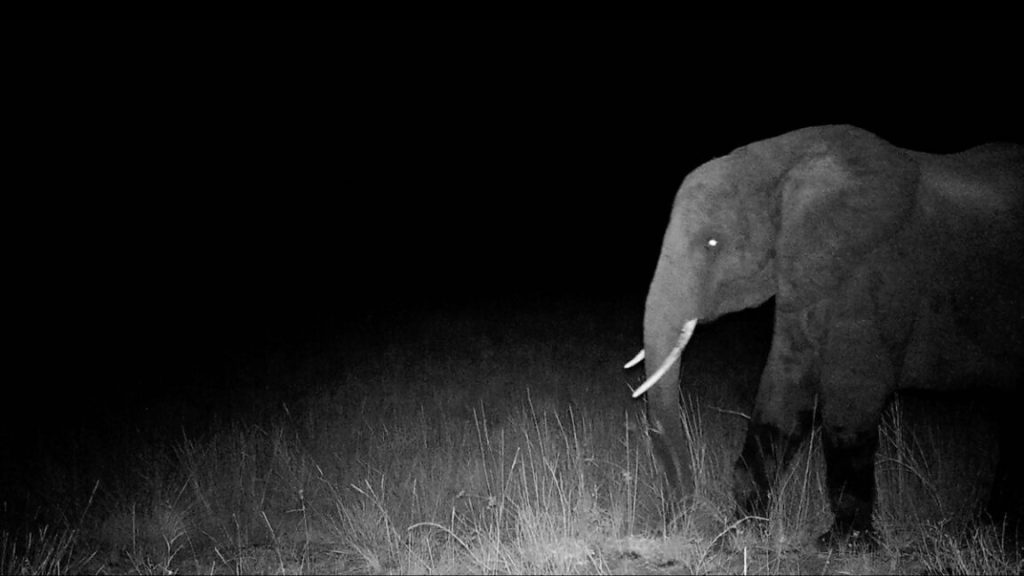
In the remote highlands of Angola, rumors persist of an undiscovered elephant species that has captured the imagination of conservationists and filmmakers alike. This extraordinary search forms the centerpiece of a new documentary that chronicles one scientist’s relentless pursuit of these enigmatic creatures.
Conservationist Steve Boyes has dedicated years to tracking down this elusive herd, a journey that has now been immortalized in a compelling film directed by acclaimed filmmaker Werner Herzog. The documentary recently premiered at the Venice International Film Festival and is set to reach audiences through National Geographic and Disney+.
While Boyes’ primary expertise lies in ornithology, his passion for elephants stems from childhood experiences in South Africa. Growing up with National Geographic magazines as his constant companions, he dreamed of becoming an explorer. Family expeditions to Botswana and Tanzania exposed him to wildlife from an early age, fostering a particular fascination with elephants despite his brother’s fear of the massive creatures.
From Birds to Giants
Boyes’ academic research on Meyer’s parrots in the Okavango Delta revealed an unexpected connection between his avian subjects and elephants. The relationship proved symbiotic, with elephants creating nesting opportunities for parrots by disturbing trees that both species relied upon for sustenance. This discovery in a region home to the world’s largest elephant population deepened his understanding of ecological interconnectedness.
The collaboration with Herzog began through a chance meeting at a Beverly Hills restaurant, where their conversation ranged from existential topics to the mysterious Angolan elephants. Herzog later described the project as reminiscent of pursuing Moby Dick, emphasizing the exploration of dreams against reality that characterizes much of his work.
The Trail Begins at the Smithsonian
The documentary opens at the Smithsonian National Museum of Natural History, where visitors can view the world’s largest elephant mount. Known affectionately as Henry, this massive specimen was killed by Hungarian hunter Josef J. Fénykövi in November 1955. Standing over 13 feet tall and weighing approximately 11 tons, Henry represents the largest elephant ever documented. Evidence of an old flintlock rifle slug found in his leg suggested the animal may have lived for a century or more.
Boyes suspected Henry might share ancestry with the mysterious highland elephants, making the museum visit a logical starting point for the expedition. Previous attempts using modern camera traps and advanced technology had failed to locate the elusive herd, prompting Boyes to recruit three KhoiSan master trackers for this ambitious undertaking.
Into the Wilderness
The journey to the Angolan Highlands Water Tower proved arduous, requiring multiple transportation methods across increasingly challenging terrain. The expedition began by vehicle before switching to foot travel, with team members carrying motorcycles across impassable rivers. The final 30 miles required hiking through dense wilderness.
Herzog’s camera captured far more than a scientific expedition, documenting local culture including ritual elephant dances where tribal elders enter trances to commune with elephant spirits. The film also explores traditional hunting techniques using poisoned arrows and includes an audience with the local king who blessed their mission.
After months of collecting dung samples for DNA analysis and capturing only fleeting glimpses of their quarry, Boyes reached a point of surrender. On what was meant to be their final day, master tracker Xui led the team to an encounter that validated years of searching. Though they managed to film one of the mysterious elephants, their attempt to collect a skin sample failed when their arrow bounced harmlessly off the animal’s thick hide.
Scientific Validation
Genetic analysis has since confirmed that these remote elephants constitute a distinct, isolated species. Perhaps most remarkably, testing revealed that Henry’s father was indeed a ghost elephant, validating Boyes’ initial hypothesis about their connection.
The discovery carries significant conservation implications. Historical footage from the 1950s shows the devastating impact of helicopter-based hunting that decimated elephant populations across Africa. The ghost elephants’ survival depends largely on their habitat’s extreme remoteness and inaccessibility.
Rather than advocating for traditional Western conservation approaches that exclude human presence, Boyes believes the solution lies with local communities. The indigenous inhabitants have developed sophisticated conservation practices including seasonal hunting restrictions, sacred site protections, and weapon confiscation protocols.
Continuing the Mission
The research continues with recent expeditions yielding samples from five bull elephants and evidence of a larger herd including babies. Boyes has identified tracks from dozens of additional animals, suggesting a more substantial population than initially suspected.
Working with master trackers has taught Boyes that direct observation isn’t always necessary to confirm the elephants’ presence. Their expertise in reading signs and tracks provides invaluable insights that complement scientific methods.
The documentary premieres on National Geographic in March 2026, with streaming availability on Disney+ following the next day. A companion book exploring the region’s biodiversity accompanies the film, providing additional context for this remarkable conservation story.