Diesel Fuel Costs Surge Beyond Gasoline Rates – Hidden Economic Impact on Consumers
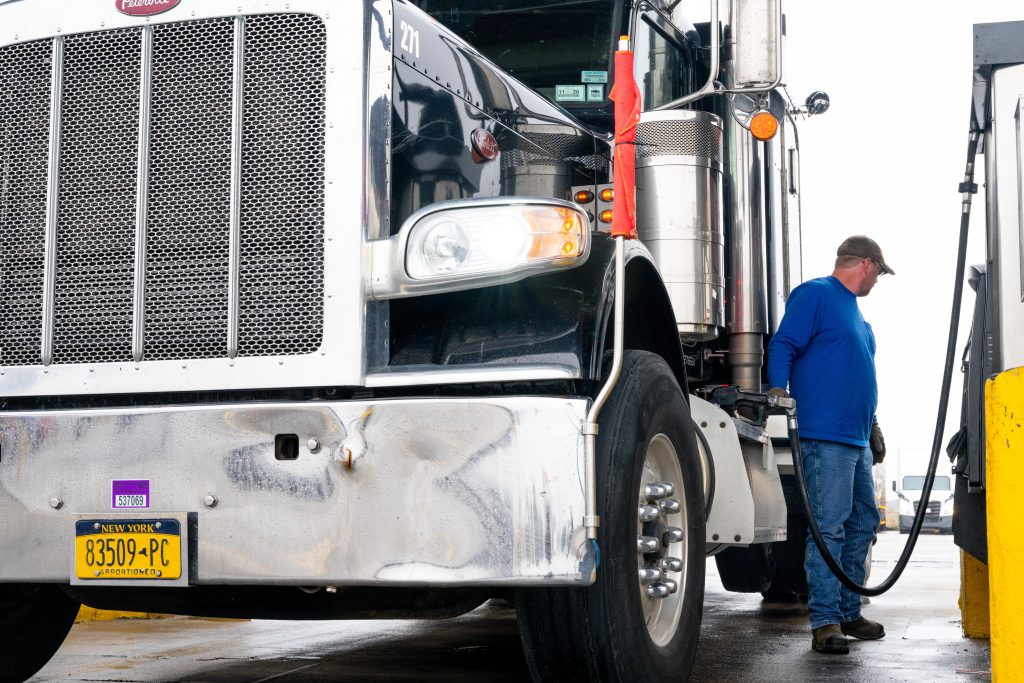
Although the majority of motorists rely on gasoline for their daily commutes, the escalating cost of diesel fuel presents a more significant threat to household budgets across the nation. Despite its limited use among everyday drivers, diesel’s price surge carries far-reaching economic implications that extend well beyond the fuel pump.
The transportation industry’s heavy dependence on diesel means that rising costs inevitably trickle down to consumers through increased prices for goods and services. Commercial trucking, which forms the backbone of America’s supply chain, operates almost exclusively on diesel fuel. As these operational expenses climb, shipping companies must adjust their rates accordingly.
This ripple effect touches virtually every aspect of consumer spending. Grocery stores, retailers, and manufacturers all rely on diesel-powered logistics networks to move products from production facilities to store shelves. When transportation costs increase, businesses typically pass these expenses along to customers through higher retail prices.
The agricultural sector also faces mounting pressure from diesel price increases. Farm equipment, irrigation systems, and crop transportation all depend heavily on this fuel type. These elevated operational costs can drive up food prices, affecting household grocery budgets nationwide.
Construction and manufacturing industries similarly feel the impact, as heavy machinery and equipment predominantly run on diesel. Project costs rise accordingly, potentially affecting housing markets and infrastructure development timelines.
Even public transportation systems that utilize diesel buses must grapple with increased operational expenses, which may lead to higher fares or reduced services in some municipalities.